Address
Nairobi
TRV Plaza, 8th Floor.<br>
3rd Parklands Ave- Nairobi
Work Hours
Monday to Friday: 9AM - 5PM
Weekend: 9AM - 1PM
Address
Nairobi
TRV Plaza, 8th Floor.<br>
3rd Parklands Ave- Nairobi
Work Hours
Monday to Friday: 9AM - 5PM
Weekend: 9AM - 1PM



Importing packaging bags from Asia to Kenya helps businesses access diverse products, competitive prices, and large manufacturing capacities. From retail shopping bags to industrial packaging, Asian suppliers offer solutions for different business needs. However, successful importing requires careful supplier selection, cost planning, quality checks, and reliable shipping arrangements.
For Kenyan businesses, the right packaging supplier can improve product presentation and control operating costs. Therefore, importers should evaluate materials, order quantities, delivery timelines, and applicable Kenyan import regulations before purchasing.
This guide explains how to source packaging bags, compare suppliers, calculate import costs, and manage shipments successfully.
Many Kenyan businesses import packaging bags because Asian manufacturers offer extensive product ranges and scalable production. Additionally, importers can request customised sizes, colours, printing, and materials.
Businesses that commonly purchase imported packaging include:
Furthermore, bulk purchasing can reduce the unit price. Nevertheless, businesses should compare the complete landed cost rather than focusing solely on factory prices.
Packaging bag manufacturers in Asia produce bags for retail, food, agriculture, logistics, and industrial applications. Consequently, Kenyan importers can select products according to their packaging requirements.
Common materials include:
Food-contact packaging requires particular attention to material suitability and applicable safety requirements. Moreover, businesses should consider durability, moisture resistance, recyclability, and storage conditions.
Choosing reliable packaging bag suppliers in Asia reduces the risk of poor-quality products, unexpected delays, and costly disputes. Therefore, importers should verify suppliers before transferring deposits or confirming large orders.
Ask potential suppliers the following questions:
Additionally, request a written quotation that specifies product dimensions, thickness, material composition, printing requirements, and packaging quantities.
Importing packaging bags from Asia to Kenya helps businesses access diverse products, competitive prices, and large manufacturing capacities. From retail shopping bags to industrial packaging, Asian suppliers offer solutions for different business needs. However, successful importing requires careful supplier selection, cost planning, quality checks, and reliable shipping arrangements.
For Kenyan businesses, the right packaging supplier can improve product presentation and control operating costs. Therefore, importers should evaluate materials, order quantities, delivery timelines, and applicable Kenyan import regulations before purchasing.
This guide explains how to source packaging bags, compare suppliers, calculate import costs, and manage shipments successfully.
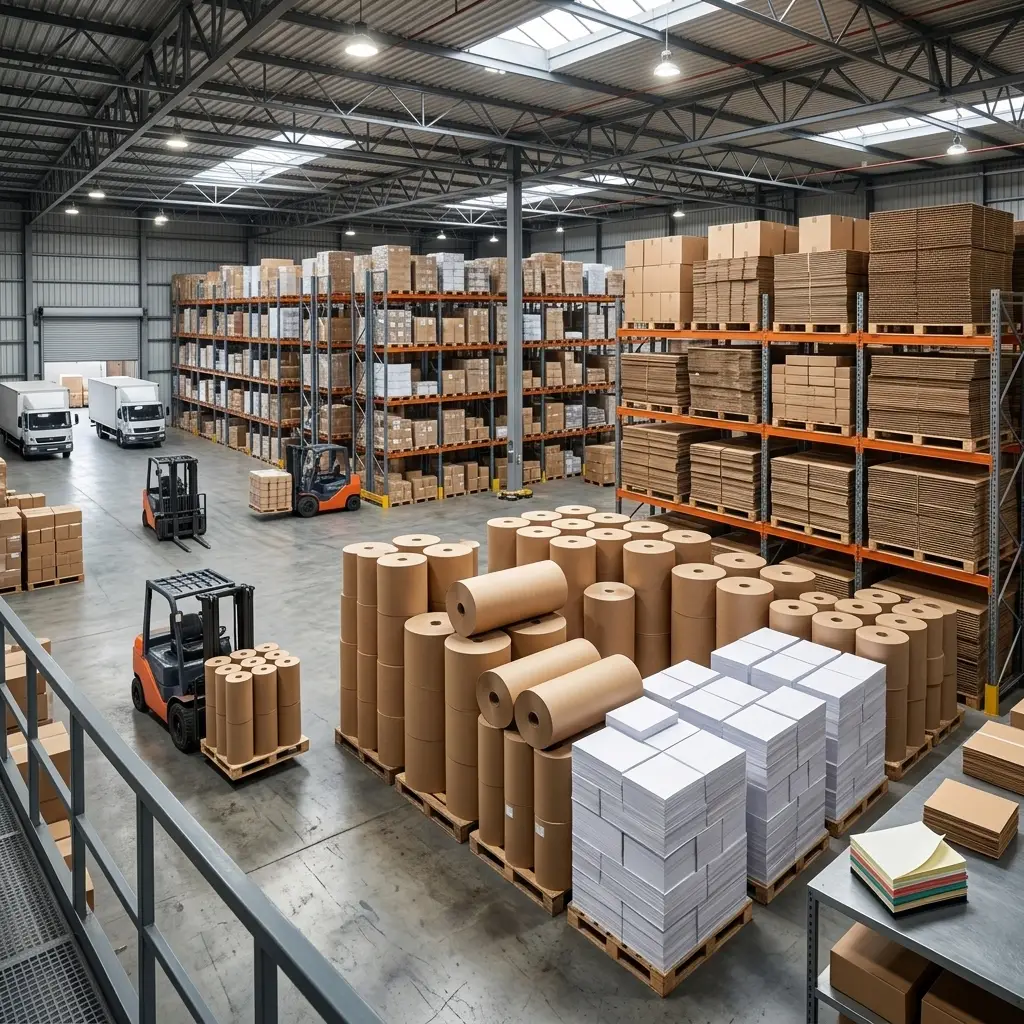

Many Kenyan businesses import packaging bags because Asian manufacturers offer extensive product ranges and scalable production. Additionally, importers can request customised sizes, colours, printing, and materials.
Businesses that commonly purchase imported packaging include:
Furthermore, bulk purchasing can reduce the unit price. Nevertheless, businesses should compare the complete landed cost rather than focusing solely on factory prices.
Packaging bag manufacturers in Asia produce bags for retail, food, agriculture, logistics, and industrial applications. Consequently, Kenyan importers can select products according to their packaging requirements.
Common materials include:
Food-contact packaging requires particular attention to material suitability and applicable safety requirements. Moreover, businesses should consider durability, moisture resistance, recyclability, and storage conditions.
Choosing reliable packaging bag suppliers in Asia reduces the risk of poor-quality products, unexpected delays, and costly disputes. Therefore, importers should verify suppliers before transferring deposits or confirming large orders.
Ask potential suppliers the following questions:
Additionally, request a written quotation that specifies product dimensions, thickness, material composition, printing requirements, and packaging quantities.
Compare at least three suppliers before making a decision. However, ensure every quotation covers the same specifications and order quantity.
Evaluate these factors:
A lower factory price does not necessarily mean a lower final cost. Consequently, compare the estimated landed cost per bag before selecting your supplier.
A structured importing process helps Kenyan businesses avoid preventable mistakes. Follow these steps to manage your purchase from supplier selection to final delivery.
Following these steps makes importing packaging materials to Kenya more predictable and easier to manage.
The cost of importing packaging bags to Kenya depends on the material, order size, supplier location, shipping method, and applicable taxes.
Your total import budget should account for:
First, request volume-based quotations to determine whether larger orders offer meaningful savings. However, avoid ordering more than your business can store or sell.
You can also reduce costs by:
Always confirm applicable taxes and levies with a licensed clearing agent or the relevant Kenyan authorities. Rates depend on the product’s classification and current regulations.
Shipping packaging bags from Asia to Kenya requires planning around delivery time, cargo volume, and transportation costs. Importers typically compare sea freight and air freight.
Sea freight is often suitable for large orders and bulky packaging products. Although transit generally takes longer, it can offer lower transportation costs per unit.
Air freight is useful for urgent samples, smaller consignments, or time-sensitive orders. However, its cost can make it unsuitable for large quantities of lightweight packaging.
Before booking, request a freight quotation based on shipment dimensions, weight, destination, and delivery terms. Also, clarify who handles export clearance, insurance, and destination charges.
Import documentation depends on the product, country of origin, shipment arrangement, and applicable regulations. Your clearing agent can confirm the requirements for your specific consignment.
Documents may include:
Check requirements with the Kenya Revenue Authority (KRA) and Kenya Bureau of Standards (KEBS) before shipment. Some products require conformity assessment or other approvals before entry into Kenya.
Quality packaging bags protect products, support branding, and reduce losses caused by damaged packaging. Therefore, inspect samples before approving bulk production.
Check the following product characteristics:
For food-contact applications, request relevant documentation confirming suitability for the intended use. Additionally, arrange independent pre-shipment inspection when order value or quality risks justify the expense.
The best packaging bag depends on the product, customer expectations, budget, and intended use.
For example, retailers may prefer branded shopping bags, while agricultural businesses may require durable sacks. Meanwhile, exporters might prioritise packaging that meets destination-market requirements.
Before placing an order, assess:
Importers may encounter inconsistent specifications, delayed shipments, unclear quotations, or unexpected clearance expenses.
To minimise these challenges, document every product specification and obtain written supplier confirmation. Furthermore, approve a reference sample and require production to match the agreed standard.
Maintain regular communication with your supplier and freight provider. This approach helps identify production or shipping problems before they become expensive.
Several challenges can affect packaging imports, particularly when businesses purchase from unfamiliar suppliers.
Common problems include:
Ultimately, careful preparation helps businesses protect their investment and maintain a dependable packaging supply.
Importing from Asia can provide Kenyan businesses with several advantages when suppliers meet their requirements.
These benefits include:
However, these advantages depend on supplier reliability, order quantities, product quality, and total landed costs.
Identify a suitable supplier, request quotations, approve product samples, verify Kenyan import requirements, and arrange shipping. Then, work with a clearing agent to manage customs documentation and delivery.
China, India, Vietnam, and other Asian manufacturing markets offer various packaging products. Compare suppliers based on product specifications, quality, pricing, and shipping arrangements.
The cost depends on material, quantity, manufacturing charges, freight, insurance, taxes, and clearance fees. Request detailed quotations and calculate the total landed cost before ordering.
Sea freight is often more economical for large, bulky shipments. Air freight may suit urgent or smaller orders, although transportation costs are generally higher.
Common documents include commercial invoices, packing lists, and shipping documents. Additional permits, customs declarations, or conformity documents may apply, depending on the product and current regulations.
Check business registration details, request samples, review references, and confirm manufacturing capabilities. Additionally, use written specifications and consider independent inspections for larger orders.
Importing packaging bags from Asia to Kenya can help businesses access suitable packaging products and expand their supply options. However, successful importing requires reliable suppliers, accurate costing, appropriate documentation, and effective logistics planning.
Start by defining your packaging requirements and comparing qualified manufacturers. Next, evaluate product samples, confirm applicable import regulations, and calculate the complete landed cost.
With proper preparation, Kenyan businesses can source quality packaging bags while managing costs and reducing supply chain risks.
Compare at least three suppliers before making a decision. However, ensure every quotation covers the same specifications and order quantity.
Evaluate these factors:
A lower factory price does not necessarily mean a lower final cost. Consequently, compare the estimated landed cost per bag before selecting your supplier.
A structured importing process helps Kenyan businesses avoid preventable mistakes. Follow these steps to manage your purchase from supplier selection to final delivery.
Following these steps makes importing packaging materials to Kenya more predictable and easier to manage.
The cost of importing packaging bags to Kenya depends on the material, order size, supplier location, shipping method, and applicable taxes.
Your total import budget should account for:
First, request volume-based quotations to determine whether larger orders offer meaningful savings. However, avoid ordering more than your business can store or sell.
You can also reduce costs by:
Always confirm applicable taxes and levies with a licensed clearing agent or the relevant Kenyan authorities. Rates depend on the product’s classification and current regulations.
Shipping packaging bags from Asia to Kenya requires planning around delivery time, cargo volume, and transportation costs. Importers typically compare sea freight and air freight.
Sea freight is often suitable for large orders and bulky packaging products. Although transit generally takes longer, it can offer lower transportation costs per unit.
Air freight is useful for urgent samples, smaller consignments, or time-sensitive orders. However, its cost can make it unsuitable for large quantities of lightweight packaging.
Before booking, request a freight quotation based on shipment dimensions, weight, destination, and delivery terms. Also, clarify who handles export clearance, insurance, and destination charges.
Import documentation depends on the product, country of origin, shipment arrangement, and applicable regulations. Your clearing agent can confirm the requirements for your specific consignment.
Documents may include:
Check requirements with the Kenya Revenue Authority (KRA) and Kenya Bureau of Standards (KEBS) before shipment. Some products require conformity assessment or other approvals before entry into Kenya.
Quality packaging bags protect products, support branding, and reduce losses caused by damaged packaging. Therefore, inspect samples before approving bulk production.
Check the following product characteristics:
For food-contact applications, request relevant documentation confirming suitability for the intended use. Additionally, arrange independent pre-shipment inspection when order value or quality risks justify the expense.
The best packaging bag depends on the product, customer expectations, budget, and intended use.
For example, retailers may prefer branded shopping bags, while agricultural businesses may require durable sacks. Meanwhile, exporters might prioritise packaging that meets destination-market requirements.
Before placing an order, assess:
Importers may encounter inconsistent specifications, delayed shipments, unclear quotations, or unexpected clearance expenses.
To minimise these challenges, document every product specification and obtain written supplier confirmation. Furthermore, approve a reference sample and require production to match the agreed standard.
Maintain regular communication with your supplier and freight provider. This approach helps identify production or shipping problems before they become expensive.
Several challenges can affect packaging imports, particularly when businesses purchase from unfamiliar suppliers.
Common problems include:
Ultimately, careful preparation helps businesses protect their investment and maintain a dependable packaging supply.
Importing from Asia can provide Kenyan businesses with several advantages when suppliers meet their requirements.
These benefits include:
However, these advantages depend on supplier reliability, order quantities, product quality, and total landed costs.
Identify a suitable supplier, request quotations, approve product samples, verify Kenyan import requirements, and arrange shipping. Then, work with a clearing agent to manage customs documentation and delivery.
China, India, Vietnam, and other Asian manufacturing markets offer various packaging products. Compare suppliers based on product specifications, quality, pricing, and shipping arrangements.
The cost depends on material, quantity, manufacturing charges, freight, insurance, taxes, and clearance fees. Request detailed quotations and calculate the total landed cost before ordering.
Sea freight is often more economical for large, bulky shipments. Air freight may suit urgent or smaller orders, although transportation costs are generally higher.
Common documents include commercial invoices, packing lists, and shipping documents. Additional permits, customs declarations, or conformity documents may apply, depending on the product and current regulations.
Check business registration details, request samples, review references, and confirm manufacturing capabilities. Additionally, use written specifications and consider independent inspections for larger orders.
Importing packaging bags from Asia to Kenya can help businesses access suitable packaging products and expand their supply options. However, successful importing requires reliable suppliers, accurate costing, appropriate documentation, and effective logistics planning.
Start by defining your packaging requirements and comparing qualified manufacturers. Next, evaluate product samples, confirm applicable import regulations, and calculate the complete landed cost.
With proper preparation, Kenyan businesses can source quality packaging bags while managing costs and reducing supply chain risks.Importing packaging bags from Asia to Kenya helps businesses access diverse products, competitive prices, and large manufacturing capacities. From retail shopping bags to industrial packaging, Asian suppliers offer solutions for different business needs. However, successful importing requires careful supplier selection, cost planning, quality checks, and reliable shipping arrangements.
For Kenyan businesses, the right packaging supplier can improve product presentation and control operating costs. Therefore, importers should evaluate materials, order quantities, delivery timelines, and applicable Kenyan import regulations before purchasing.
This guide explains how to source packaging bags, compare suppliers, calculate import costs, and manage shipments successfully.
