Address
Nairobi
TRV Plaza, 8th Floor.<br>
3rd Parklands Ave- Nairobi
Work Hours
Monday to Friday: 9AM - 5PM
Weekend: 9AM - 1PM
Address
Nairobi
TRV Plaza, 8th Floor.<br>
3rd Parklands Ave- Nairobi
Work Hours
Monday to Friday: 9AM - 5PM
Weekend: 9AM - 1PM


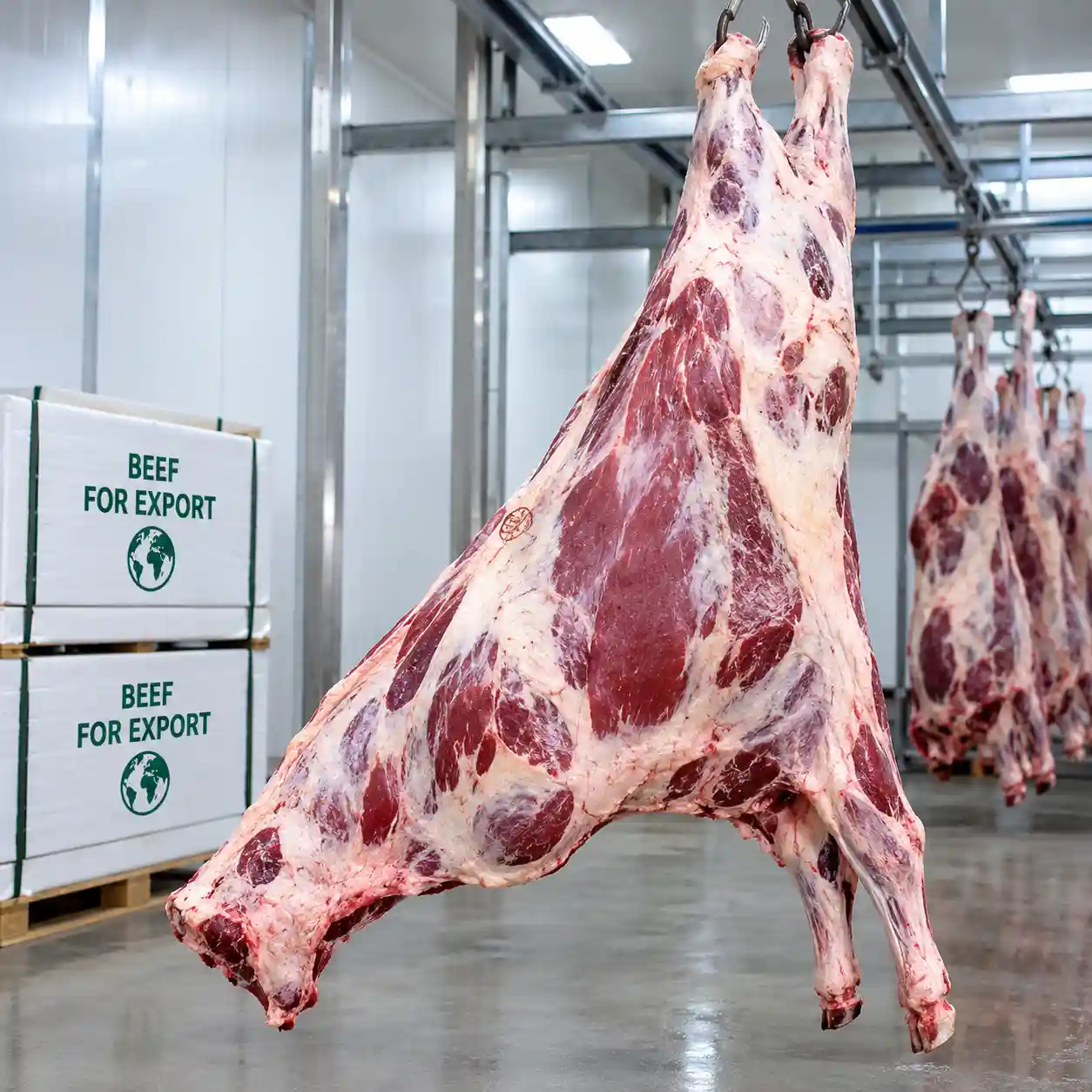
Kenyan beef exporters connect local livestock producers with international meat markets.
Kenya has opportunities to supply quality beef to buyers across the Middle East.
Dubai also offers a major destination for international food and meat suppliers.
However, successful exports require quality control, documentation, approved facilities, and reliable logistics.
Therefore, exporters must understand the requirements before entering the Dubai market.
Kenyan beef exporters support the movement of locally produced beef into international markets.
They work with farmers, processors, distributors, and overseas buyers.
Moreover, exporters coordinate slaughtering, processing, packaging, certification, and transportation.
This coordination helps maintain product quality throughout the supply chain.
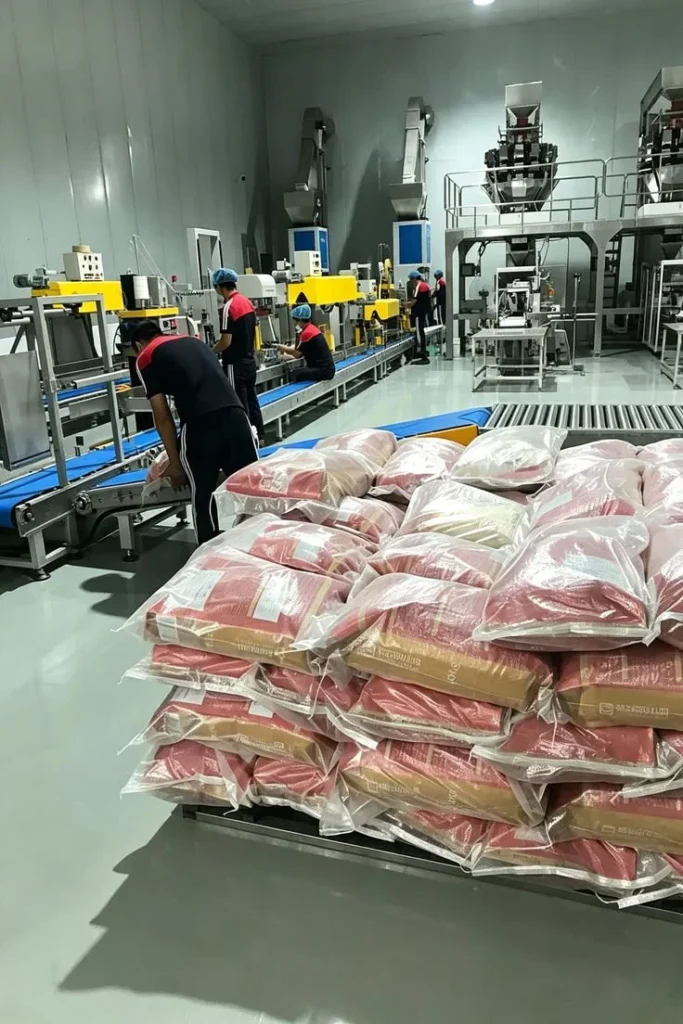
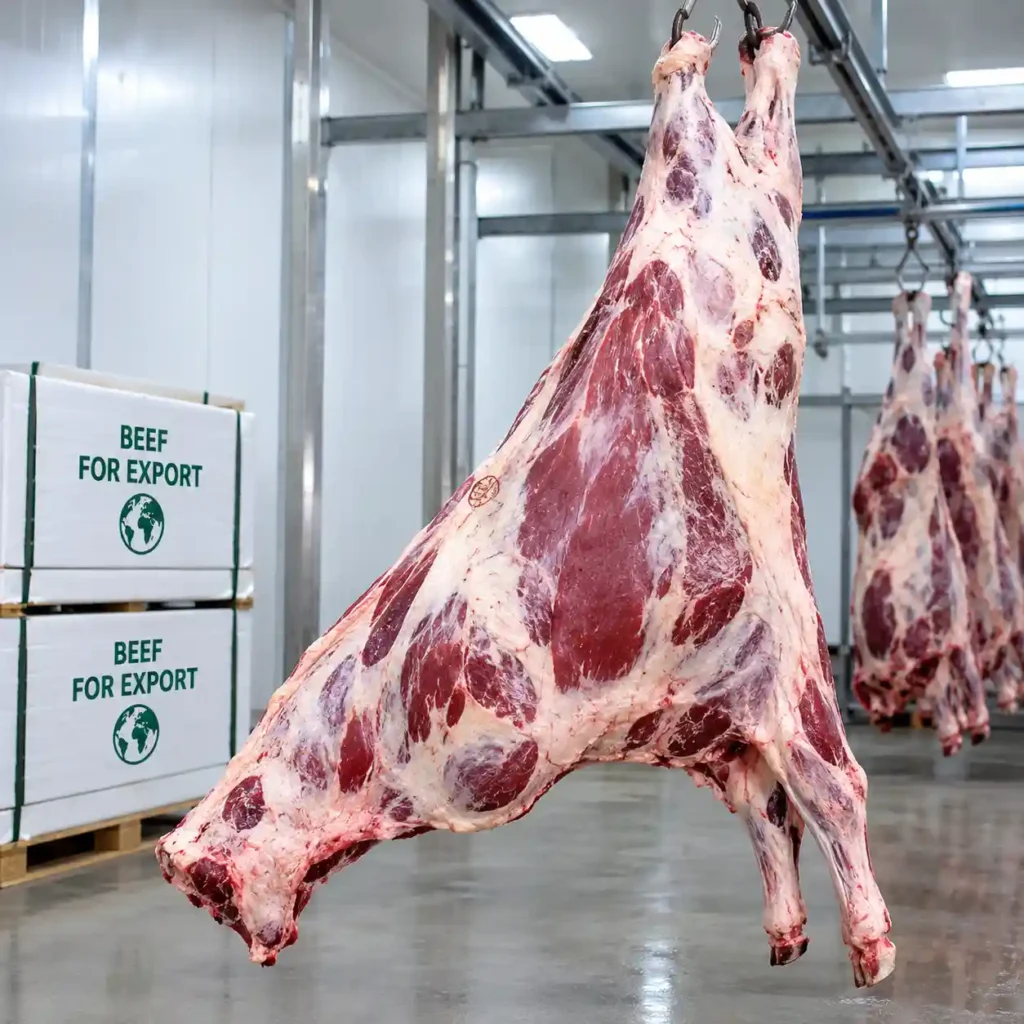
Exporters typically begin by sourcing cattle from suitable livestock suppliers.
The animals then undergo veterinary inspection before and after slaughter.
Afterward, approved processing facilities handle cutting, chilling, freezing, and packaging.
Proper temperature control remains essential during storage and transportation.
Beef export from Kenya to Dubai requires careful preparation.
Exporters must satisfy Kenyan export procedures and UAE import requirements.
The UAE applies health, food safety, and halal requirements to imported meat.
UAE authorities also inspect imported food consignments at entry points.
Exporters should confirm the current requirements before shipping any consignment.
These requirements can include:
Requirements can change depending on the product and destination regulations.
Therefore, exporters should verify current requirements before each shipment.
Reliable beef suppliers in Kenya should demonstrate consistent production and quality controls.
International buyers also need dependable supply volumes and transparent communication.
When evaluating suppliers, buyers should examine several factors:
A supplier should also explain how it maintains traceability across each shipment.
Kenya beef exporters to UAE must prepare products according to applicable requirements.
The UAE recognizes specific standards for meat handling, storage, and slaughter facilities.
For example, UAE requirements reference standards covering fresh, chilled, and frozen meat.
Quality begins with healthy livestock and proper veterinary oversight.
It continues through hygienic slaughtering, processing, storage, and transportation.
Additionally, exporters should maintain accurate batch and product records.
This approach improves traceability and helps resolve potential supply issues.
Halal compliance can be important when supplying beef to Dubai and the wider UAE.
Exporters should therefore work with appropriately recognized halal certification arrangements.
UAE authorities consider halal requirements when accrediting overseas slaughterhouses.
Processing may include slaughtering, carcass preparation, cutting, trimming, chilling, and freezing.
Packaging then protects the product during storage and transportation.
The chosen format depends on buyer requirements and intended market use.
Exporters should confirm specifications before processing the final order.
Effective packaging helps protect beef during international transportation.
It can also support product identification and traceability.
Exporters should provide clear information about product type, weight, batch, and storage conditions.
Temperature-controlled transportation should also support the required product condition.
Documentation depends on the shipment and destination requirements.
Common documents can include:
The UAE also requires accompanying documentation for imported food consignments.
Kenya has an established livestock sector and a growing interest in agricultural exports.
This creates opportunities for structured beef supply chains.
Furthermore, Kenyan suppliers can serve buyers seeking African-origin meat products.
However, buyers should assess every supplier against their specific quality requirements.
Successful Kenyan meat export to Dubai depends on coordination.
Farmers, processors, exporters, freight providers, and importers must work together.
Therefore, exporters should plan shipments before production begins.
This reduces documentation errors and helps protect product quality during transit.
Dubai offers opportunities for suppliers serving wholesalers, retailers, restaurants, and food-service businesses.
However, market entry requires more than simply finding an overseas buyer.
Exporters need consistent quality, reliable volumes, competitive logistics, and compliant documentation.
They should also understand the product preferences of their target customers.
Before placing an order, buyers should request detailed supplier information.
They should also confirm facility approvals and certification status.
A practical supplier assessment can include:
This process helps buyers identify suppliers that match their operational requirements.
Kenya beef export companies can differ in capacity, specialization, and market experience.
Therefore, buyers should compare suppliers using clear business requirements.
Look for exporters with transparent processes and consistent communication.
Also, confirm their ability to maintain cold-chain conditions throughout transportation.
Fresh beef suppliers in Kenya must maintain strict temperature and hygiene controls.
This becomes especially important when products travel internationally.
Buyers should ask about chilling procedures, packaging, storage, and transportation arrangements.
They should also confirm the expected delivery timeline before ordering.
Consider linking this article to relevant website pages, including:
These links can help visitors discover related services while improving website navigation.
Kenyan beef exporters supply processed beef to international buyers and markets.
They coordinate sourcing, processing, certification, packaging, and transportation.
Kenya can pursue beef exports to Dubai when applicable export and import requirements are satisfied.
Buyers should verify current UAE requirements before arranging shipments.
Suppliers provide beef products according to agreed quality, quantity, and processing specifications.
Export suppliers may also coordinate documentation and logistics.
Halal requirements can apply to meat entering the UAE.
Exporters should confirm the applicable certification requirements for their specific shipment.
Documents can include health certificates, origin certificates, invoices, packing lists, and shipping documents.
Additional certificates may apply depending on the shipment.
Beef should use suitable temperature-controlled logistics based on its product condition.
The exporter should maintain the required cold chain throughout transportation.
