Address
Nairobi
TRV Plaza, 8th Floor.<br>
3rd Parklands Ave- Nairobi
Work Hours
Monday to Friday: 9AM - 5PM
Weekend: 9AM - 1PM
Address
Nairobi
TRV Plaza, 8th Floor.<br>
3rd Parklands Ave- Nairobi
Work Hours
Monday to Friday: 9AM - 5PM
Weekend: 9AM - 1PM


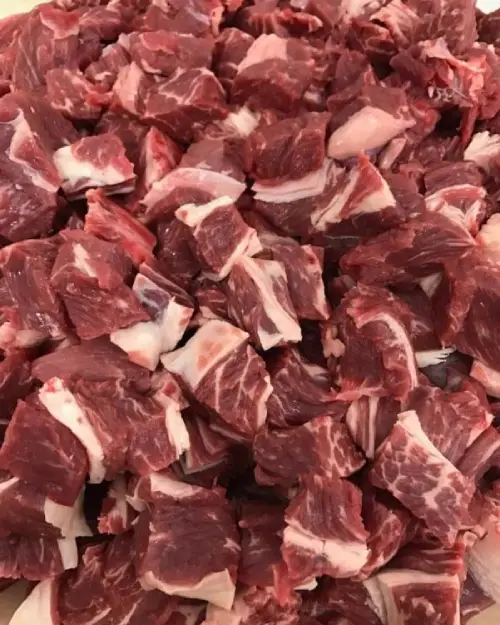
Kenya is gaining attention as a potential source of quality beef for international markets. For buyers in the United Arab Emirates (UAE), choosing the right supplier involves more than competitive prices. They also need reliable quality, verified halal compliance, safe transportation, and consistent deliveries. Learn more from our Halal Beef Exporters in Kenya.
Halal beef exporters in Kenya can serve buyers seeking dependable meat sourcing partnerships. However, successful exports require proper certification, approved processing facilities, veterinary documentation, and compliance with UAE import regulations.
For UAE importers, wholesalers, hotels, restaurants, and food distributors, Kenyan beef offers an opportunity to diversify sourcing. With the right export partner, businesses can build a reliable supply chain that supports long-term growth.
UAE consumers and businesses value halal compliance, food safety, and consistent product quality. Consequently, importers carefully assess suppliers before placing orders.
Kenya’s livestock sector offers opportunities for international meat trade. Nevertheless, exporters must demonstrate their ability to meet destination-specific requirements.
Several factors influence buyer interest:
These factors help Kenyan exporters position their businesses for international opportunities.
Working with experienced Kenyan halal meat suppliers can help UAE buyers simplify sourcing. A capable exporter coordinates production, documentation, packaging, and shipping requirements.
Furthermore, established communication helps importers plan purchases and manage inventory more effectively.
Key benefits include:
However, buyers should verify each supplier’s credentials before committing to commercial orders.
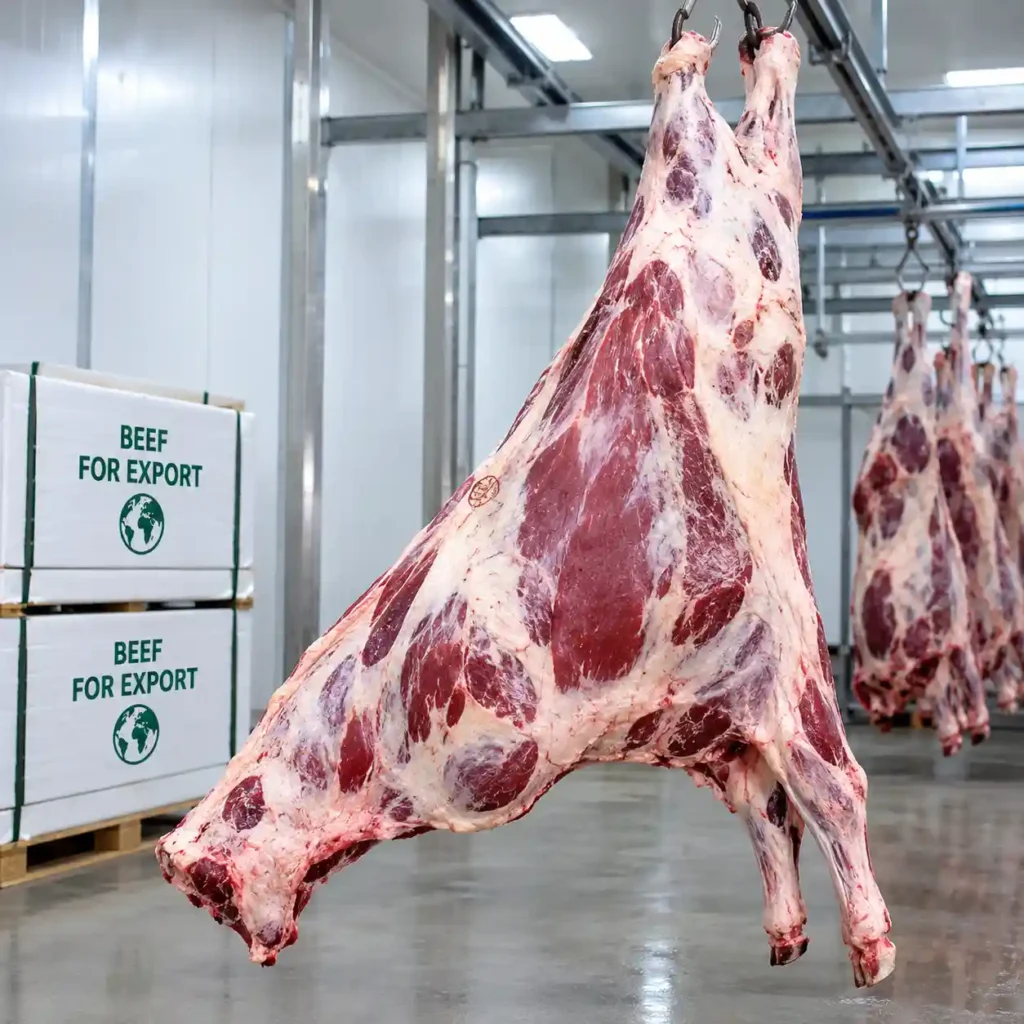
Kenya has an established livestock sector and opportunities to develop value-added meat exports. Its geographical position also provides access to regional and international transport networks.
However, competitiveness depends on more than the country of origin. Exporters must combine product quality with efficient logistics and regulatory compliance.
UAE buyers may require fresh chilled or frozen beef, depending on their distribution channels. Restaurants often prioritize specific cuts, while wholesalers may purchase larger quantities.
Therefore, exporters should confirm product specifications before processing orders. They should also explain storage requirements and expected shelf life.
Bulk purchasing can create opportunities for negotiated pricing. Nevertheless, importers should compare the complete landed cost rather than the product price alone.
Freight, insurance, packaging, inspection, customs charges, and local distribution can affect profitability. Transparent quotations help buyers evaluate offers accurately.
Halal certification is essential when exporting beef marketed as halal to the UAE. Buyers should verify that the certification meets applicable UAE requirements.
The UAE Ministry of Industry and Advanced Technology publishes halal standards covering food products, certification bodies, and slaughter practices.
The Importance of Proper Halal Slaughter Practices
Proper halal slaughter protects religious integrity and supports buyer confidence. Exporters must ensure that slaughter procedures comply with applicable standards.
Buyers should request documentation confirming the slaughterhouse’s approval and the certifying body’s recognition. They should also confirm that each shipment carries the required halal certificate.
UAE importers must comply with applicable food safety and import controls. Requirements may vary according to the product, emirate, and shipment circumstances.
Before shipping, exporters and importers should confirm:
The UAE government outlines food safety controls and registration requirements for imported food products.
Quality Standards for Kenyan Beef Exporters
Quality assurance begins with livestock sourcing and continues through slaughter, processing, packaging, and transportation.
Reliable Kenyan beef exporters should maintain documented procedures throughout these stages. Moreover, they should provide evidence of inspections and applicable food safety controls.
Traceability helps buyers identify a product’s origin and follow its movement through the supply chain.
Professional suppliers should maintain records covering livestock sourcing, slaughter dates, processing batches, and shipment details. Consequently, buyers can investigate quality concerns and verify documentation more efficiently.
Correct packaging protects meat quality during handling and transportation. Meanwhile, temperature-controlled logistics help maintain product safety.
Exporters should agree on packaging specifications, storage temperatures, and delivery arrangements before dispatch. They should also maintain temperature records where appropriate.
For frozen beef, transport conditions must preserve the required frozen state. Chilled products need suitable refrigeration throughout the journey.
Beef export from Kenya to Dubai involves coordination between the exporter, processing facility, veterinary authorities, logistics providers, and UAE importer.
Although individual procedures vary, the process generally follows these steps:
Kenya Meat Commission describes its export operations and lists veterinary, health, halal, and origin documentation among its export documentation.
Selecting the right supplier can influence product quality, costs, and business continuity. Therefore, importers should assess suppliers against clear commercial and compliance criteria.
Use the following checklist when evaluating potential suppliers:
Additionally, buyers should avoid relying solely on promotional claims. Independent verification helps establish whether a supplier can meet the order requirements.
A reliable exporter provides more than meat. The right partner coordinates documentation, product specifications, logistics, and communication throughout the transaction.
For UAE importers, this coordination can reduce avoidable delays and improve purchasing decisions. Furthermore, long-term relationships can support more predictable ordering and better demand planning.
Successful partnerships depend on transparency and consistent performance. Both parties should establish clear expectations before beginning regular shipments.
Practical steps include:
As a result, both businesses can identify problems early and improve future orders.
Mangala Industries can use its export-focused business approach to engage UAE buyers seeking Kenyan beef suppliers. Before confirming an order, buyers should verify the company’s current export scope, processing arrangements, halal certification, and eligibility for the UAE market.
For a successful partnership, clearly communicate your required beef cuts, quantities, delivery location, and preferred shipping schedule.
Looking for beef export opportunities from Kenya to Dubai?
Contact Mangala Industries to discuss your requirements and establish whether its current export services match your sourcing needs.
Halal beef exporters are businesses that arrange the supply and export of beef produced according to applicable halal requirements. Buyers should verify certification, processing facilities, and export eligibility before placing orders.
Kenya has established meat export operations serving international markets, including the Middle East. However, individual shipments depend on current UAE import rules, approved establishments, certification, and veterinary requirements.
Kenya Meat Commission (KMC)
Requirements may include a veterinary health certificate, halal certificate, certificate of origin, commercial invoice, and applicable import documentation. Exporters should confirm the exact requirements with the relevant Kenyan and UAE authorities.
Buyers should verify business credentials, halal certification, processing-facility eligibility, and veterinary documentation. They should also confirm that the certification body is accepted by the relevant UAE authorities.
Some Kenyan exporters offer chilled and frozen beef, subject to their facilities and export arrangements. Buyers should confirm product availability, packaging, storage conditions, and delivery options directly with each supplier.
Prices depend on the cut, quantity, processing, packaging, certification, freight, insurance, and delivery terms. Importers should request itemized quotations to compare the total landed cost.
Buyers should confirm product specifications, certification, shipment documents, supplier eligibility, cold chain arrangements, and payment terms. They should also establish procedures for inspection and resolving delivery disputes.
Importers can begin by sharing their product requirements, estimated order volumes, destination, and delivery preferences. They should then verify the supplier’s credentials and agree on pricing, documentation, and shipping arrangements.
