Address
Nairobi
TRV Plaza, 8th Floor.<br>
3rd Parklands Ave- Nairobi
Work Hours
Monday to Friday: 9AM - 5PM
Weekend: 9AM - 1PM
Address
Nairobi
TRV Plaza, 8th Floor.<br>
3rd Parklands Ave- Nairobi
Work Hours
Monday to Friday: 9AM - 5PM
Weekend: 9AM - 1PM


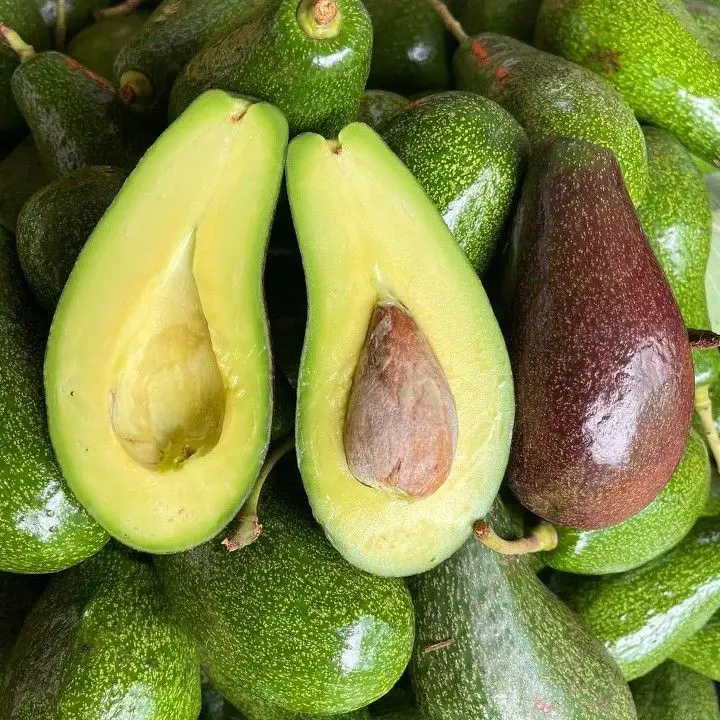
Kenya has become an important source of quality agricultural produce for international markets. Among these products, avocados continue attracting buyers across the UAE. Therefore, avocado export from Kenya to Dubai creates opportunities for farmers, exporters, suppliers, and international buyers.
Dubai offers a strong market for fresh produce. However, successful exports require proper sourcing, grading, packaging, documentation, and logistics. Consequently, exporters must manage every stage carefully.
The Kenya-to-Dubai avocado export process starts with sourcing suitable fruit. Exporters then inspect, grade, pack, document, and ship the produce.
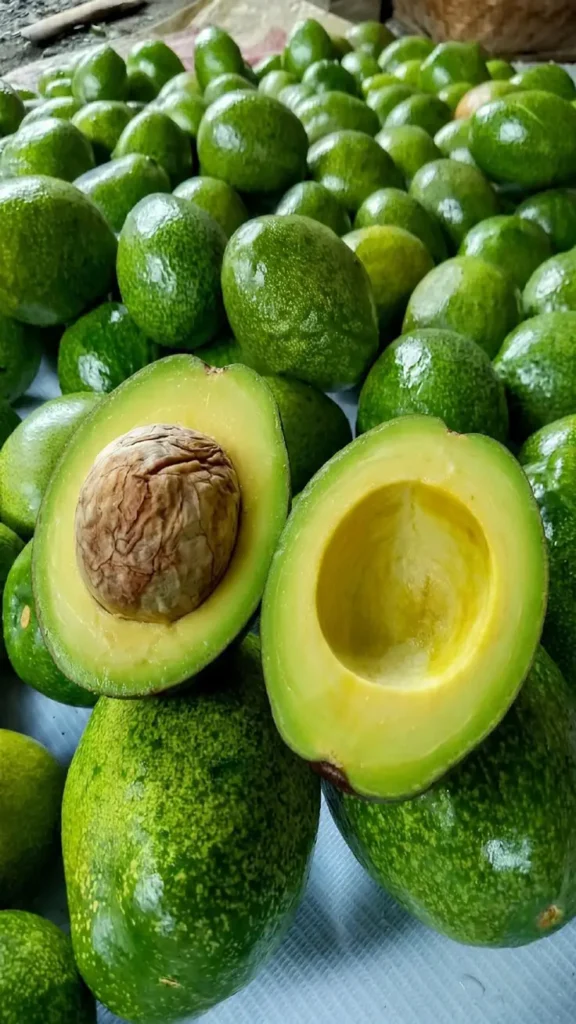
A typical export process includes:
KEPHIS provides phytosanitary inspection and certification services for plant products destined for export.
Kenya produces avocados in several growing regions. The country’s agricultural supply chain supports both domestic and international markets.
Moreover, Kenyan avocados can reach international markets when exporters maintain appropriate quality controls. Exporters must also understand the requirements of their destination market.
For buyers, reliable sourcing matters as much as fruit quality. Consistent supply can help distributors, retailers, and food businesses plan their inventory.
Hass avocado export from Kenya is an important opportunity for international produce traders. Hass avocados are widely traded because of their texture, appearance, and eating quality.
Other varieties may also serve specific buyers. However, exporters should confirm variety, size, maturity, and packaging requirements before accepting orders.
Therefore, exporters should match farm supply with buyer specifications before harvesting.
Quality control begins at the farm and continues throughout transportation. Export fruit should be carefully selected and graded.
Important quality considerations include:
KEPHIS guidance emphasizes phytosanitary compliance and inspection for export consignments.
Exporters should confirm current requirements before shipping each consignment. Documentation can include phytosanitary certification and customs-related export documents.
Requirements may vary according to the destination and shipment. Therefore, exporters should verify requirements with relevant authorities and their logistics partners.
Packaging protects avocados during handling, transportation, and delivery. Exporters should therefore use packaging designed for fresh produce.
Good packaging should provide:
Temperature management also deserves careful attention. A suitable cold chain helps preserve fruit quality from collection through delivery.
Avocado shipping from Kenya to Dubai requires careful logistics planning. The preferred transportation method depends on volume, urgency, product requirements, and buyer expectations.
Exporters should evaluate:
Before shipping, exporters should confirm the agreed Incoterms and responsibilities with the buyer.
Reliable buyers often look for consistent quality and dependable supply. Therefore, exporters should prepare professional product information before approaching buyers.
Useful information includes:
Building transparent relationships can also encourage repeat orders.
Dubai buyers may require predictable volumes throughout the agreed supply period. Consequently, exporters should establish dependable relationships with farmers and collection centers.
A strong Kenya to Dubai avocado supply system should coordinate harvesting, grading, packing, logistics, and delivery.
This approach reduces avoidable delays and helps maintain consistent product quality.
Starting an avocado export business in Kenya requires careful financial planning. Costs can include sourcing, grading, packaging, certification, transport, freight, insurance, and handling.
Profitability depends on several variables. These include purchase prices, export volumes, market prices, wastage, logistics costs, and buyer agreements.
Therefore, exporters should calculate the complete landed cost before confirming a selling price.
Finding dependable fresh avocado suppliers in Kenya requires proper due diligence. Buyers should assess production capacity, quality procedures, documentation, and supply consistency.
Similarly, avocado exporters in Kenya should demonstrate their ability to meet agreed specifications.
A reliable supply relationship should prioritize transparency, quality control, communication, and delivery performance.
Mangala Industries provides agricultural export solutions alongside its international trade services. Its website states that the company exports Kenyan avocados, fruits, coconuts, goat meat, and beef to local and international markets.
For businesses exploring Kenyan avocados to UAE, Mangala Industries can be a relevant point of contact for agricultural export inquiries.
The company operates from Nairobi and provides import and export solutions for businesses seeking international markets.
Suggested CTA: Contact Mangala Industries to discuss avocado sourcing, export requirements, supply volumes, and international delivery options.
An experienced export partner can help coordinate multiple stages of international trade.
These stages may include:
Consequently, businesses can focus on building reliable commercial relationships.
Yes. Kenyan agricultural products can be exported to international markets when exporters meet applicable phytosanitary, quality, customs, and destination-market requirements.
Hass is a major export variety. However, buyers may request different varieties, sizes, grades, or maturity levels.
Documentation depends on the shipment and destination requirements. Exporters should confirm current phytosanitary and customs requirements before shipping.
Shipping arrangements depend on volume, urgency, costs, and buyer requirements. Exporters should select logistics solutions that protect product quality throughout transit.
Buyers can approach established agricultural exporters and suppliers. They should verify quality standards, available volumes, documentation, and supply consistency.
Profitability depends on sourcing costs, selling prices, volumes, logistics, wastage, packaging, and market conditions. A complete cost analysis should come before committing to an order.
Avocado export from Kenya to Dubai offers opportunities for farmers, exporters, suppliers, and international produce buyers. However, successful trade requires more than sourcing quality fruit.
Exporters must coordinate quality control, packaging, documentation, cold-chain handling, logistics, and buyer requirements. Furthermore, reliable communication helps create sustainable international supply relationships.
For businesses seeking Kenyan agricultural export solutions, Mangala Industries offers agricultural export and international trade services.
Contact Mangala Industries to discuss your avocado export requirements.
